Each year on March 18, National Biodiesel Day recognizes the innovation and impact of biodiesel and other biomass-based diesel fuels. The date honors Rudolf Diesel, inventor of the diesel engine, who demonstrated his engine running on peanut oil at the 1900 World’s Fair. The experiment offered an early glimpse into the potential of renewable fuel.
More than a century later, biodiesel has become an important component of the global transition toward cleaner energy systems. Renewable fuels are helping organizations reduce emissions, strengthen energy security, and support economic growth across agriculture, manufacturing, and transportation.
As countries accelerate sustainability goals, biodiesel is emerging as a practical and scalable option for decarbonizing sectors that remain difficult to electrify.
Biodiesel’s Growing Role in the U.S. Energy Landscape
Biodiesel and renewable diesel have evolved from niche alternatives into meaningful contributors to the U.S. fuel supply.
The United States now consumes more than 5 billion gallons of biodiesel and renewable diesel annually. Adoption continues to expand across commercial fleets, logistics networks, and heavy-duty transportation.
Production is also expected to grow. Forecasts from the U.S. Energy Information Administration show biomass-based diesel production continuing to increase through 2026 as refining capacity expands and policy incentives support industry development.
Federal renewable fuel policies are shaping this trajectory. Proposed Renewable Fuel Standard volumes indicate the United States could require more than 5.6 billion gallons of biomass-based diesel by 2026.
Together, these developments highlight biodiesel’s growing importance as organizations seek practical ways to reduce carbon emissions while using existing transportation infrastructure.

A Major Economic Driver
Beyond environmental benefits, biodiesel is also a significant economic engine.
The U.S. biomass-based diesel industry generates more than $40 billion in economic activity and supports over 100,000 jobs across the country. These roles span agriculture, fuel processing, logistics, engineering, and manufacturing.
According to a 2025 economic impact study from Clean Fuels Alliance America, the U.S. biomass-based diesel industry:
- Generates $42.4 billion in economic activity
- Supports more than 107,000 jobs
- Provides approximately $6 billion in annual wages
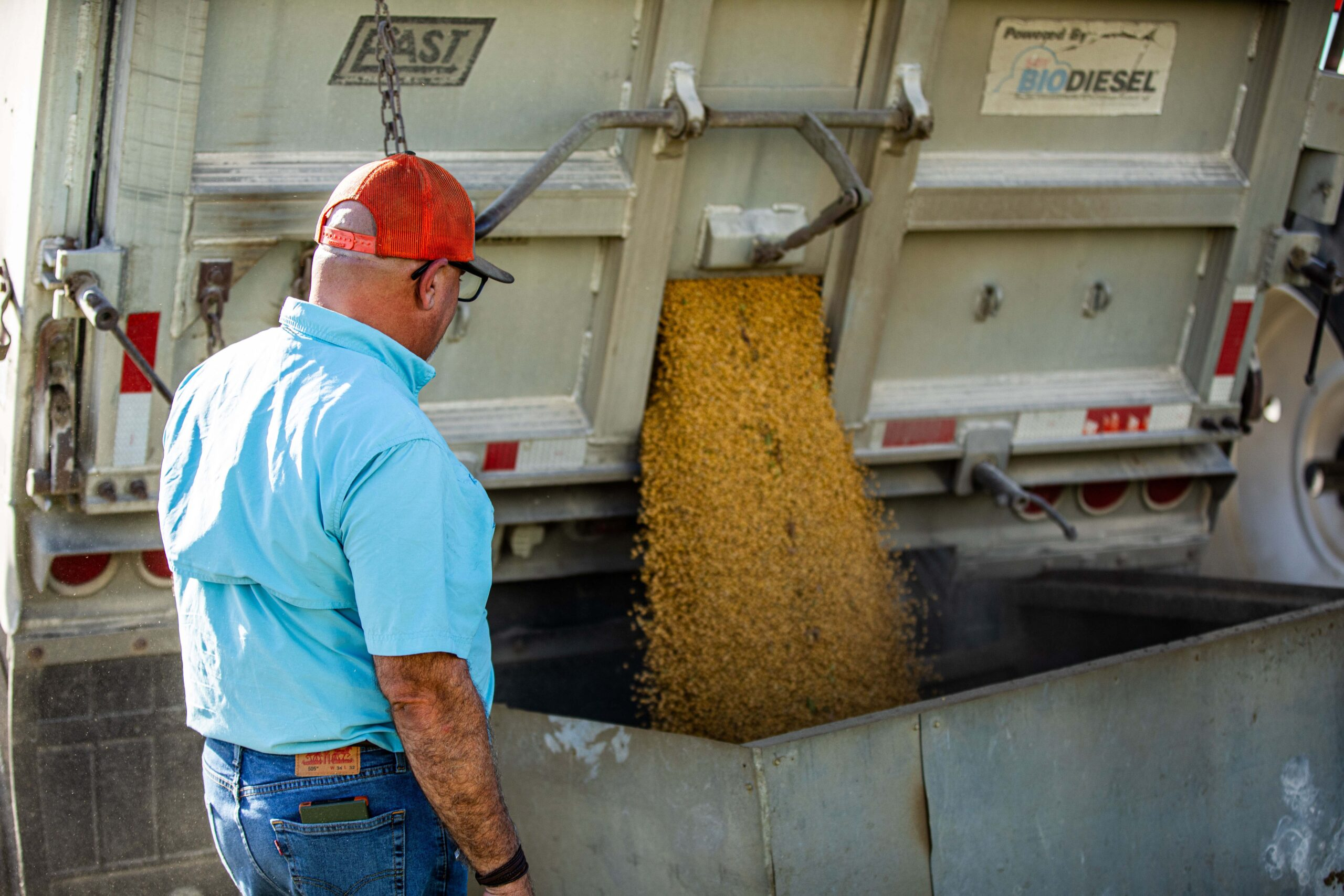
Renewable fuels also create sustained demand for agricultural products. In the coming years, renewable fuel production is expected to consume more than half of U.S. soybean oil output. This strengthens the connection between American agriculture and the growing clean energy economy.
For rural communities, biodiesel investment continues to support infrastructure development, employment opportunities, and long-term economic resilience.
For rural communities in particular, biodiesel investment continues to drive infrastructure development, employment opportunities, and long-term economic resilience.
The Workforce Behind the Energy Transition
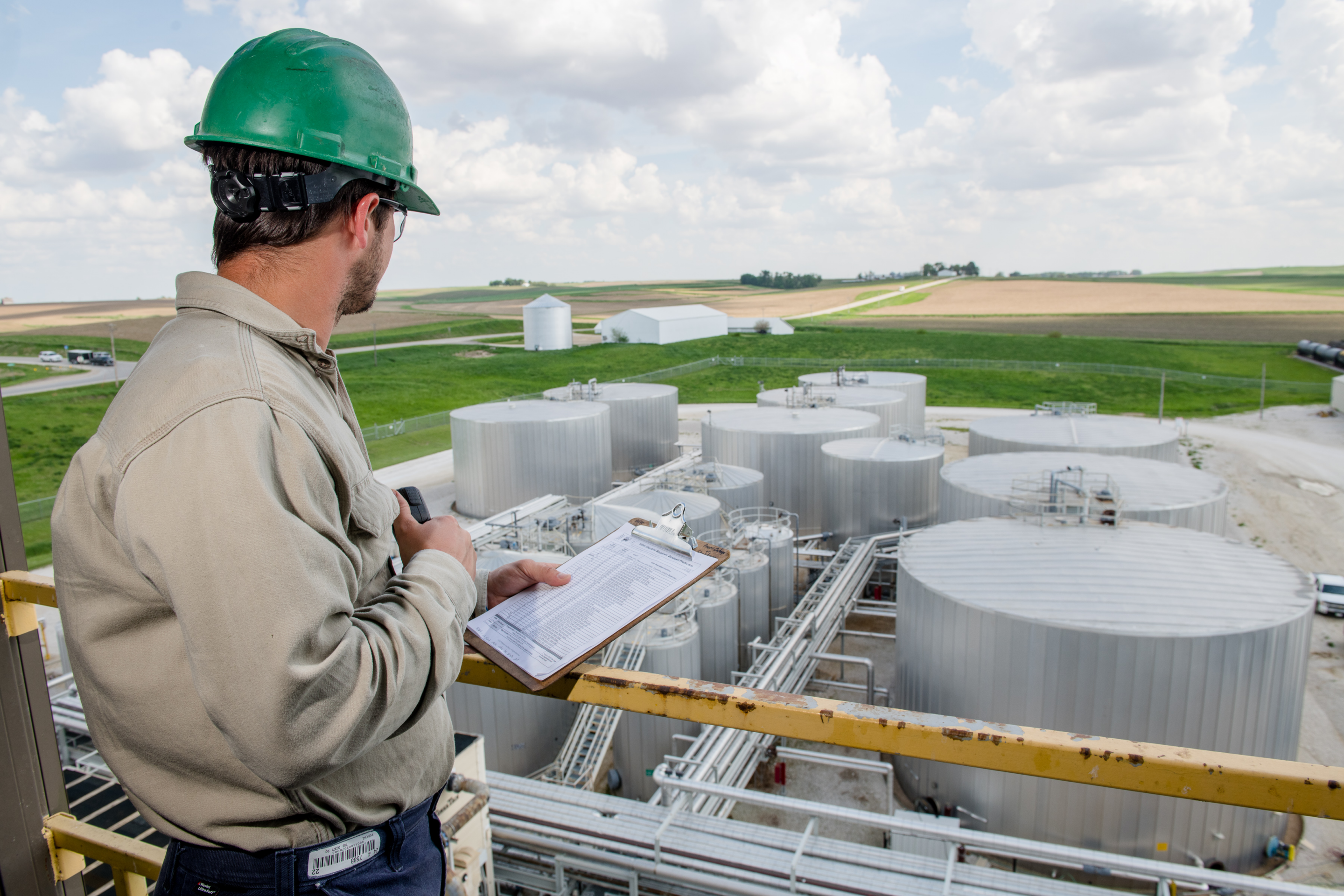
While biodiesel’s environmental and economic impact is widely discussed, its role in shaping the future energy workforce is equally significant.
According to the International Energy Agency’s World Energy Employment 2025 report, employment in low-emissions fuel supply, including bioenergy, hydrogen, and nuclear fuels, reached roughly 2.3 million workers globally in 2024.
Modern bioenergy alone accounts for more than 2.2 million of those jobs worldwide.
This workforce spans a wide range of industries and skill sets. Approximately two-fifths of global bioenergy employment is concentrated in agricultural cultivation, feedstock production, and refining. These roles reflect the sector’s close connection to farming and resource supply chains.
At the same time, the industry relies on engineers, plant operators, logistics professionals, policy experts, and sustainability leaders to bring renewable fuels to market.
As biodiesel production expands, demand for professionals who can scale operations, improve efficiency, and support energy innovation continues to grow.
Clean Energy Growth Is Reshaping the Workforce
The expansion of biodiesel and other renewable fuels is contributing to broader changes across the global energy workforce.
The International Energy Agency reports that employment in low-emissions fuel supply has grown by roughly 3 percent annually since 2019, reaching approximately 2.3 million workers in 2024.
Bioenergy plays a significant role in that growth. Employment across biodiesel, ethanol, biogas, and related renewable fuels surpassed 2.2 million workers globally in 2024.
National energy policies are helping accelerate this demand. Many countries have strengthened biofuel blending mandates in recent years. For example:
- India increased ethanol blending rates to 18 percent
- Brazil raised ethanol blending to 27 percent
- Indonesia and China expanded biodiesel programs to support domestic energy production and emissions reduction
These policies are helping drive investment, expand production, and create new economic opportunities across agricultural and industrial supply chains.
Workforce Demand Across the Bioenergy Value Chain
The bioenergy sector highlights the diversity of roles required to support the energy transition.
According to the International Energy Agency, roughly two-fifths of the global bioenergy workforce is involved in agricultural cultivation, feedstock collection, processing, and refining.
Additional roles across the sector include:
- Agricultural production and feedstock supply
- Fuel processing and refining
- Engineering and plant operations
- Logistics and distribution
- Energy policy and regulatory compliance
As renewable fuel production continues to expand, demand for talent across these areas is expected to increase.
The growth of biodiesel is part of a broader expansion in renewable energy employment, with clean energy jobs booming worldwide as organizations accelerate sustainability initiatives.
The Talent Challenge in Clean Energy
Rapid growth across renewable fuels and other clean technologies is also creating a new challenge. The global energy sector faces increasing competition for skilled talent.
The International Energy Agency notes that a well-trained workforce is essential for deploying new energy infrastructure, building supply chains, and maintaining reliable energy systems.
Without continued investment in workforce development, talent shortages could slow progress across renewable energy industries, including biofuels.
This reality is reshaping workforce strategies. Organizations across energy, infrastructure, and manufacturing are placing greater focus on attracting engineers, operational leaders, and energy specialists who can navigate an evolving energy landscape.
Supporting Talent Across the Energy Transition
As the clean energy economy expands, organizations across the energy sector are rethinking how they build leadership teams and technical capabilities.
TalentoHC has partnered with companies across the energy transition landscape, including organizations in renewable power, energy infrastructure, and emerging energy technologies. These collaborations include work with companies such as NextEra Energy, Bloom Energy, Duke Energy, American Electric Power, Florida Power & Light, and Origis Energy, as well as organizations developing alternative fuel and energy innovation technologies such as eFuel LLC and Stem Fuels.
This experience provides TalentoHC with a unique perspective on the evolving workforce needs of the energy industry as companies scale renewable energy production, modernize infrastructure, and invest in new fuel technologies.





Looking Ahead: Biodiesel’s Role in a Low Carbon Future
The transition to a cleaner energy system will require a diverse portfolio of technologies, including electrification, hydrogen, and advanced biofuels.
Biodiesel is already proving to be an important part of that mix.
With continued investment, supportive policy, and workforce development, renewable fuels are positioned to play a larger role in:
- Decarbonizing transportation
- Strengthening domestic energy production
- Supporting agricultural economies
- Creating high-quality jobs across the clean energy sector
National Biodiesel Day serves as a reminder that sustainable innovation often builds on ideas developed generations ago. Today, biodiesel continues to demonstrate how renewable fuels can support both a more resilient energy system and a growing clean energy workforce.
As the clean energy economy accelerates, organizations across the energy ecosystem are navigating a rapidly evolving talent landscape. The companies that succeed will be those that invest not only in technology and infrastructure, but also in the people who will power the next generation of energy innovation.